
Explore the stories, technologies and achievements that make Tempur-Pedic® the most highly recommended mattress brand in America*.
Explore the stories, technologies and achievements that make Tempur-Pedic® the most highly recommended mattress brand in America*.
— by Tempur-Pedic on Oct 23, 2026
Sleeping on a plane sounds easy in theory, but anyone who has tried to rest at 35,000 feet knows it can be very challenging. Between upright seats, cabin noise, bright lights, limited space, and temperature changes, it can be difficult to get comfortable in flight.
While airplane sleep may never feel exactly like sleeping in your own comfortable bed, a few adjustments can make a noticeable difference. With the right strategy, travel accessories, and a good wind-down routine, you can create a more comfortable sleep setup and arrive at your destination feeling more rested.
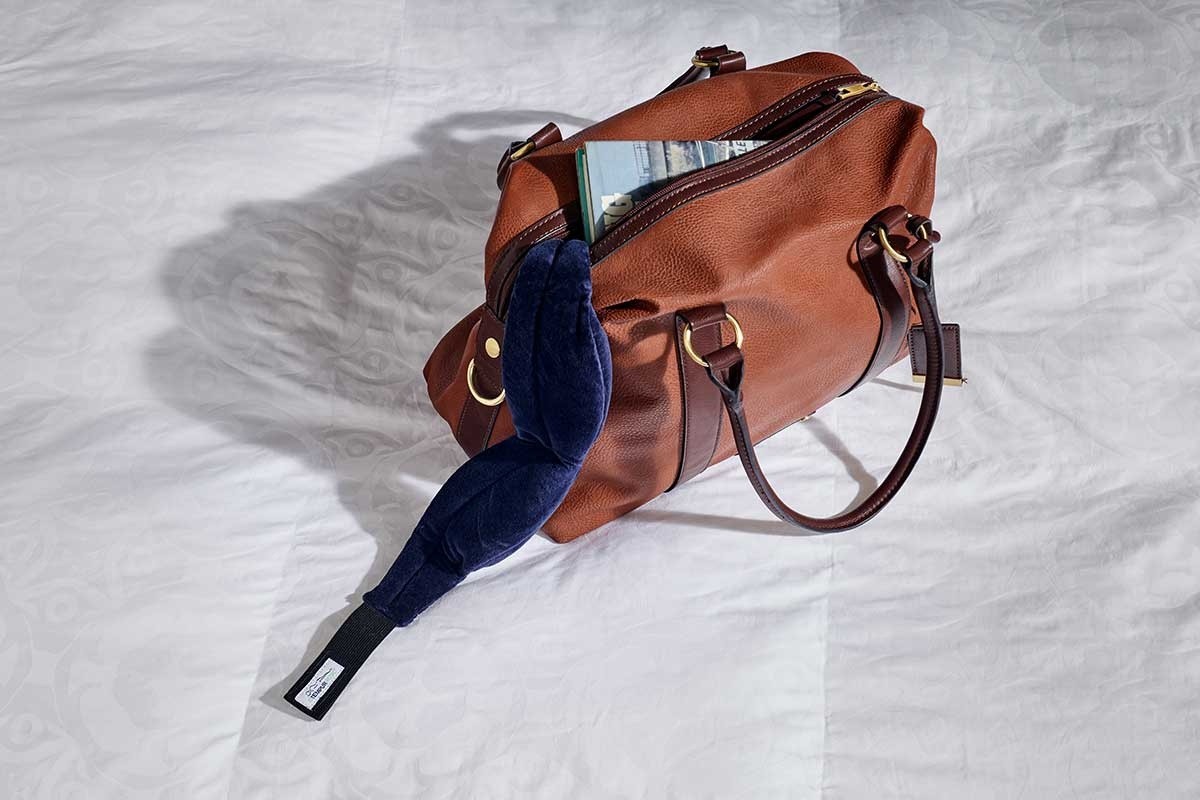
Airplanes are clearly not designed to be bedrooms. The seat position alone can make rest difficult because your body is typically upright instead of lying flat. But when you add engine noise, passenger movement, cabin lighting, dry air, and not enough personal space, it becomes easier to understand why sleep can feel impossible during a flight (How to Sleep on a Plane, Sleep Foundation, 2025).
Now, the goal is not to replicate your entire sleep setup on board. Instead, focus on the parts of your sleep environment you can control in situations like this — such as neck support, light exposure, noise, temperature, and your pre-sleep routine.
If you have the lucky option of selecting your seat, a window seat can make sleeping easier. It gives you a surface to lean against, more control over the window shade, and fewer disruptions from seatmates needing to pass by. Seats away from high-traffic areas like bathrooms or galleys may also help reduce interruptions.
For overnight or long flights, consider when you want to sleep before boarding. If your flight overlaps with your usual bedtime, try to settle in early, organize your carry-on essentials, and create a routine that signals it is time to rest (How to Sleep on a Plane, Sleep Foundation, 2025).
Neck support is one of the most important parts of sleeping upright. Without it, your head may tilt forward or to the side as you relax, which can lead to discomfort during or after the flight. A supportive travel pillow can help create a more stable position while you rest.
The Tempur-Pedic® Travel Pillow is designed for on-the-go use with a horseshoe shape that cradles the neck and supports the head. Made with TEMPUR-Material®, it is designed to help relieve pressure so the neck and shoulder muscles can relax more comfortably during flights or road trips (Travel Pillow, Tempur-Pedic®).
Light can also make it hard to fall asleep, especially if you are flying during the day or trying to rest while cabin lights are still on. An eye mask is an easy way to create a darker environment, reducing any visual distractions (How to Sleep on a Plane, Sleep Foundation, 2025).
The Tempur-Pedic® Sleep Mask, for example, is designed to contour the face while helping create complete darkness and a comfortable fit. It also has adjustable strap which can help keep the mask stay in place, making it easier to settle in when cabin lighting or daylight outside the window might otherwise keep you awake (Sleep Mask, Tempur-Pedic®).
Cabin noise is another common sleep disruptor. Engine sounds, announcements, service carts, and nearby passengers can all make it harder to relax. Earplugs or noise-canceling headphones can help reduce distractions and make your in-flight environment feel calmer (How to Sleep on a Plane, Sleep Foundation, 2025).
If you usually listen to calming music, white noise, or meditation before sleep, consider downloading it on a smart device before boarding. Familiar sounds can help recreate part of your normal sleep routine, even in an unfamiliar environment.
Plane temperatures can change throughout a flight, and it is not always easy to get comfortable once you are already seated. Dressing in soft, breathable layers gives you more control. A light sweater, scarf, or travel blanket can help if the cabin feels cool, while layers can be removed if you start to feel warm.
Comfortable clothing can also make a huge difference. Avoid anything too tight or restrictive, especially on longer flights, so it is easier to settle into a restful position.
A short wind-down routine can help your body recognize that it is time to rest. Once you are settled, put away anything you do not need, adjust your pillow, put on your sleep mask, and lower your screen brightness or switch to audio-only content.
It may also help to avoid heavy meals or too much caffeine close to your planned sleep time. Staying hydrated can help you feel better during travel but try to balance fluids so you don’t wake up repeatedly to use the restroom (How to Sleep on a Plane, Sleep Foundation, 2025).
Of course, sleeping on a plane isn’t the same as sleeping at home, but the right setup can make the experience much more comfortable. Focus on the essentials: neck positioning, reduced light, limited noise, comfortable layers, and a routine that helps you wind down.
With these mindful travel basics, you can make in-flight rest feel a little easier and arrive at your destination feeling more refreshed.
Sleeping on a plane can be challenging due to the cramped space, upright seats, bright lights, unfamiliar noise, and fluctuating temperature.
Mimicking your nightly routine as closely as possible by downloading any sleep podcasts or white noise you use can help you settle in for sleep. Additionally, dressing in breathable layers and sitting by the window can help regulate your temperature and give you something to lean on when resting.
A supportive travel pillow and high-quality sleep mask, such as the ones offered by Tempur-Pedic®, may help you find greater comfort on your flight by providing neck support and limiting your exposure to light. You can also try ear plugs or noise cancelling headphones to block out distractions.
A Note from Tempur-Pedic®: We love sharing tips to help you achieve better sleep. While we strive to provide objective, industry-standard insights, we also design and manufacture products to address specific sleep challenges.
"How to Sleep on a Plane." July 29, 2025. Published by Sleep Foundation. Read the article. This article provides practical strategies for sleeping more comfortably during air travel, including seat selection, managing light and noise, staying comfortable, and establishing routines that support in-flight sleep.
"TEMPUR Travel Pillow." Published by Tempur-Pedic®. View the product page. This product page describes the TEMPUR Travel Pillow, which features a horseshoe-shaped design and TEMPUR-Material® intended to support the head and neck during travel while helping relieve pressure for enhanced comfort.
"TEMPUR Sleep Mask." Published by Tempur-Pedic®. View the product page. This product page describes the TEMPUR Sleep Mask, highlighting its contoured design, adjustable strap, and light-blocking construction intended to create a darker and more comfortable sleep environment.
You’re using an unsupported web browser.
A list of the most popular browsers can be found below. Just click on an icon to visit the download page.
Your phone or tablet is using software unsupported by our website. To improve your shopping experience, please update your device to the latest version of iOS or Android OS.


